
How Long Does Recovery Take After ACDF Surgery?And will I be able to move my neck afterwards?


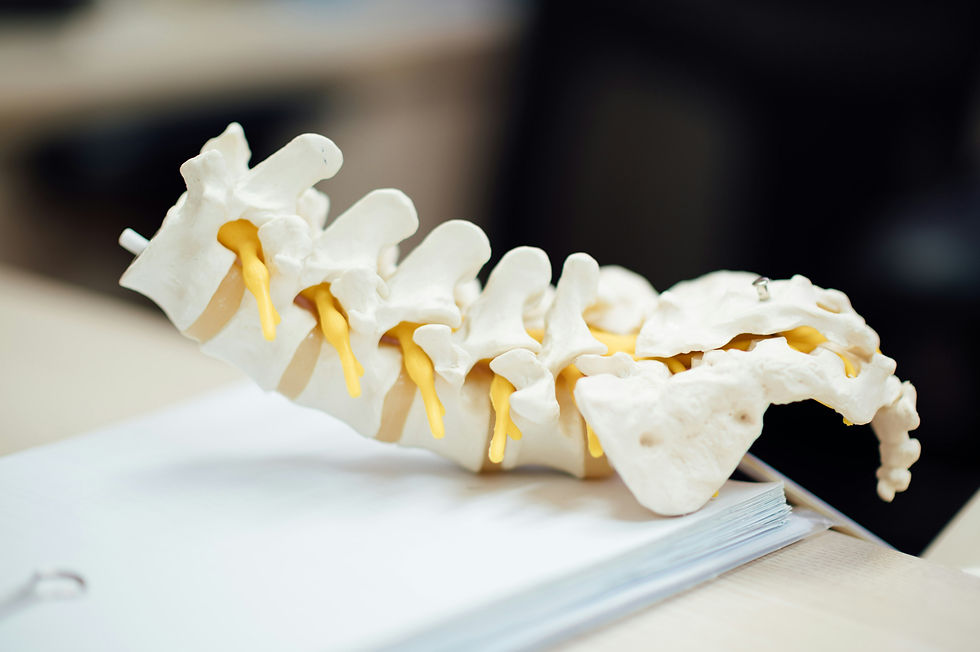
Anterior Cervical Discectomy and Fusion, more commonly known as ACDF surgery, is one of the most frequently performed operations in cervical spine surgery. The procedure is commonly used to treat conditions such as cervical radiculopathy and cervical spinal cord compression, and as its name suggests it is performed from an anterior approach (through an incision made in the front of the throat), it decompresses the cervical nerves and/or spinal cord by performing a discectomy, and it involves fusing cervical vertebral bodies together for stability.
Two questions I am frequently asked in relation to ACDF surgery are: “how long will recovery take?”, and “will I be able to move my neck afterwards?”
The answer to these questions varies from patient to patient, however most people recover steadily over several weeks to months following surgery, and more often than not there is no appreciable change in neck movement after surgery at all. ACDF surgery involves approaching the cervical spine from the front of the neck, and removing the damaged disc or any abnormal bone spurs that may be compressing the spinal cord and/or nerve roots. After these structures have been decompressed a cage or spacer is then inserted into the disc space to maintain height and anatomical spinal alignment, and usually with additional fixation plates and screws which act as a scaffold to stabilise the spine while fusion occurs over the coming months to years.
Immediately after surgery most patients notice some degree of surgical discomfort in their throat and some difficulty with swallowing, and they may also notice some mild voice hoarseness or neck stiffness as well. Swallowing difficulties are extremely common in the early post-operative period due to retraction of the oesophagus during surgery, however this usually improves substantially over days to weeks as the swelling subsides, and a speech pathologist will see you to assess your swallow function as well as your speaking ability. Most people with a hoarse voice after ACDF surgery notice that it resolves within a few days, but in some cases hoarseness can be permanent in which case a specialist Ear, Nose and Throat (ENT) surgeon review is arranged for formal vocal fold inspection, and if vocal fold paralysis is identified this can be treated with an injection. Patients are generally mobilising within hours of surgery and the first night after surgery is spent in Intensive Care to monitor for any airway irritation; most patients only spend two nights in hospital before they can go home, but this does depend on the complexity of the procedure and individual recovery. X-rays of your spine are taken before you go home to demonstrate to position of the implanted fusion hardware.
The recovery timeline often looks something like this:
First 1–2 weeks: Patients gradually increase walking and light activity. Fatigue is common, but sleeping is relatively normal. Neck movement may feel stiff or uncomfortable. Surgical site pain typically improves steadily during this period. Surgical dressings are removed after two weeks, and all sutures are buried under the skin surface and dissolve internally.
Weeks 2–6: Most patients continue improving and can usually begin increasing daily activities. Depending on occupation, some people may return to office-based work within several weeks, while more physical occupations may require longer recovery.
Around 6 weeks: A follow-up review with your surgeon takes place. Activity restrictions are often gradually eased depending on progress and fusion stability.
Months to years: Fusion continues to mature over time. Nerve symptoms such as numbness or weakness may continue improving for many months after surgery. Surveillance radiological imaging is performed to monitor for ongoing bone fusion; different surgeons have their own preference regarding this, but I typically recommend a baseline CT scan at 6 months after surgery, and if that scan is satisfactory but if bone fusion is incomplete then another CT scan in an additional 12 months.
One important thing to understand is that recovery from nerve compression can take time. Leg or arm pain frequently improves rapidly following decompression, however numbness and weakness often recover more slowly because nerves heal gradually. Spinal cord compression can take even longer to recover and may take years, and in some instances unfortunately no recovery following spinal cord compression injury occurs at all, but at the very least any ongoing compression related cord injury can be prevented with surgical intervention.
Most surgeons recommend avoiding driving for at least a couple of weeks following surgery, although recommendations vary depending on the procedure performed and the individual patient. Although technically there will be some reduction in neck movements following cervical fusion, and this does makes sense considering that at least one and sometimes even two or three motion segments that previously contributed to neck movement can no longer move independently, almost all side to side motion in the human neck occurs in the upper two vertebral bodies which are never fused in ACDF surgery, which means that side to side movements are not affected following anterior fusion – you will be able to turn your head to check your blind spots in your car! Patients are also understandably concerned about returning to exercise. Walking is encouraged early after surgery, however heavier lifting and high-impact activities are usually restricted initially while the fusion heals.
The majority of patients recover very well following ACDF surgery, particularly when surgery is performed for appropriate indications such as nerve root compression or cervical myelopathy (spinal cord compression). As with any operation however, there are risks and recovery experiences vary between individuals. Good communication between the patient, surgeon, physiotherapist, speech pathologist and General Practitioner is an important part of recovery. One of the key goals following surgery is gradual restoration of confidence and function while allowing appropriate healing to occur.
If you are considering ACDF surgery it is important to discuss your recovery process in detail with your surgeon, which can help establish realistic expectations and reduce any anxiety you may have about this procedure.


The article presents a thorough overview of the ACDF surgery and its recovery process, offering insight into common post-operative issues. However, it raises questions about long-term effects and the impact of spinal fusion on overall neck mobility. A critical analysis of the expected outcomes post-surgery emphasizes the need for clear communication, highlighting how realistic patient expectations can influence recovery. In today’s tech-driven world, the integration of resources like Pay ID https://payid.pure-bred.com/ for managing medical expenses can further enhance patient experience and accessibility.
This is such a valuable breakdown of the recovery process after ACDF surgery. Your point about the upfront commitment really resonated with me; it's not just about the surgery itself, but the dedicated work beforehand to prepare your body and mind that makes such a difference. I’ll definitely be linking back to this analysis in the future. In the same vein, this is the quality benchmark for content about long recovery periods. When people ask me about my own experiences, I often find myself sharing the insights I've gained, much like you’ve done here. Your commitment to providing thorough information about long recovery truly shines through this read. What also got my attention is your take on the importance of…
Looking back, my biggest personal growth has absolutely come from sticking with the long recovery process after my own significant medical procedure. It's not always easy, and there were days I wanted to give up, but persevering made all the difference. I truly believe everyone in my circle needs to see this perspective, especially those facing their own challenges. Speaking of which, I wonder if the principles of extended recuperation still hold true for individuals just starting out on their journey. It's a fair point you make, but extended recovery can indeed be far more nuanced than many initially realize. The care and detail you've clearly put into this post are evident, and I wanted to express my sincere thanks…
This was such a helpful read, honestly! I stumbled upon this post while researching my own journey, not really expecting to be in a "long recovery" situation, but here I am navigating it. Your balanced perspective on extended healing periods is exactly what I needed to see. It’s so easy to get discouraged when things don’t bounce back immediately, and you’ve really validated that experience. I’ve been sharing this with my entire support network because they’re all so invested in my progress, and I think they’d benefit from your insights too. It’s given me a lot to consider about how progress can look different for everyone. Reflecting on it, the idea of quantifying success during a prolonged recovery is particularly…